Get Conduit Installation
Conduit installation services help property owners run electrical, data, or communication lines safely and efficiently through walls, floors, or underground for various construction projects.
Conduit installation services are an essential component for many property owners planning electrical upgrades, renovations, or new construction projects. Whether upgrading existing wiring systems or preparing a property for future electrical needs, having professional conduit work ensures a safe, organized, and compliant setup. Exploring local contractors can provide valuable insights into the options available, helping property owners compare approaches and find solutions tailored to their specific project requirements. Staying informed about the available services can support effective planning and decision-making as projects develop.
Property owners in the area may consider conduit installation to improve the safety and functionality of their electrical infrastructure, or to facilitate easier access for future modifications. Connecting with experienced service providers can help clarify the scope of work and the different methods used, enabling property owners to make well-informed choices. Continuing to explore local options ensures that decisions align with the unique needs of each property, fostering confidence in the project’s success.
- Conduit Routing - when existing conduit pathways need to be installed or rerouted for electrical system upgrades.
- Conduit Repair - if damaged or corroded conduits require replacement or patching to ensure safety and compliance.
- Exterior Conduit Installation - for outdoor electrical setups that need weatherproof conduit protection.
- Underground Conduit Setup - when electrical wiring must be safely buried for outdoor lighting or landscape features.
- Conduit Replacement - in cases where outdated or worn conduits need to be upgraded to meet current standards.
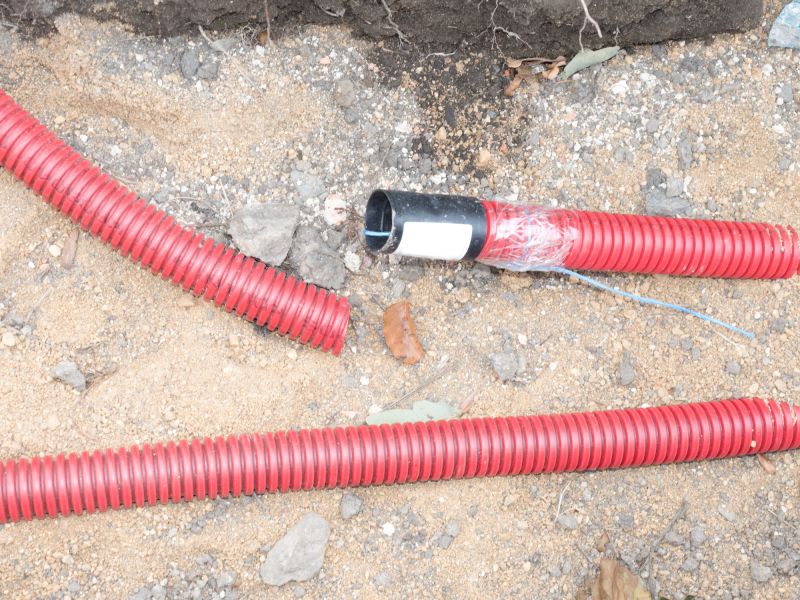
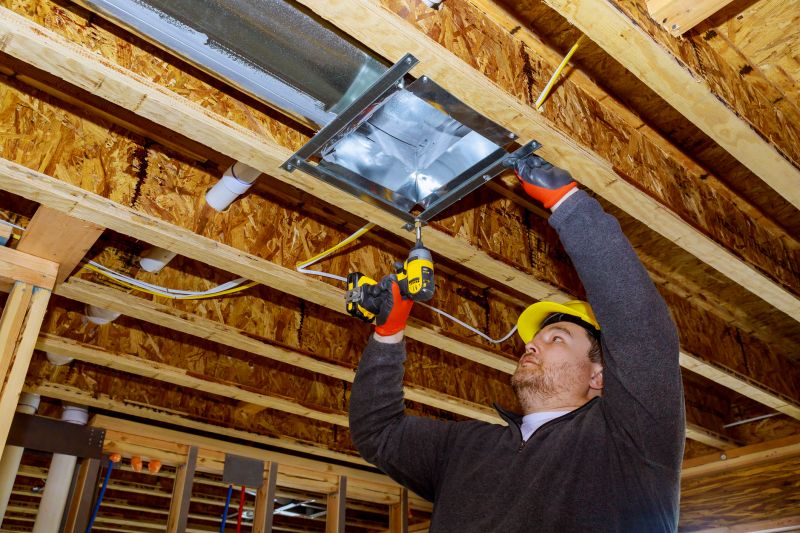
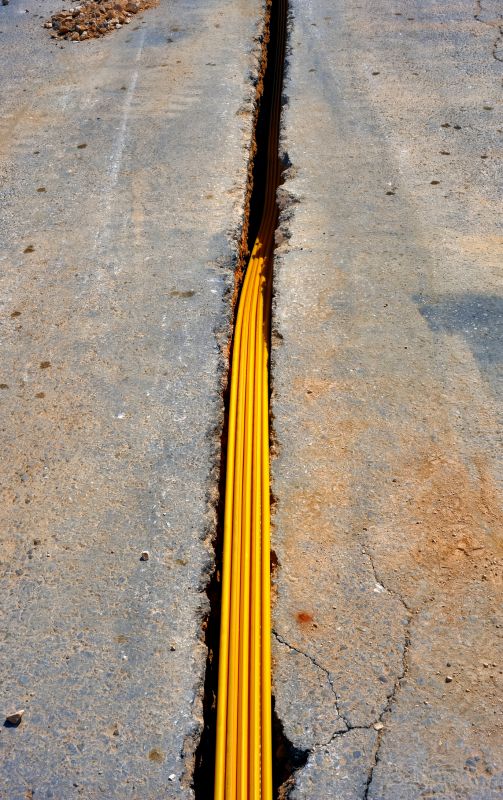
Conduit installation services involve setting up the necessary pathways through which electrical wiring, communication lines, or other utilities are routed within a property. This process typically includes assessing the property’s structure, selecting appropriate conduit types, and properly installing them to ensure safe and efficient utility distribution. Skilled contractors handle everything from planning the layout to securing the conduit in walls, ceilings, or underground, providing a neat and durable solution that supports the property's electrical and communication needs.
This service is often needed when homes or commercial buildings are undergoing new wiring, renovations, or upgrades. It helps solve common problems such as exposed wiring that can pose safety hazards, insufficient conduit pathways that limit future expansion, or outdated electrical systems that no longer meet current standards. Proper conduit installation ensures that wiring is protected from physical damage, moisture, and other environmental factors, reducing the risk of electrical failures or fire hazards over time.
Properties that typically utilize conduit installation services include residential homes, apartment complexes, office buildings, retail stores, and industrial facilities. Homes that are being remodeled or expanded often require conduit updates to accommodate new wiring routes. Commercial properties with complex electrical systems may need conduit installed to organize and protect multiple lines, ensuring compliance with safety codes and facilitating easier maintenance. In general, any property that requires a reliable, organized, and protected electrical infrastructure can benefit from professional conduit installation.
Homeowners who experience issues like frequent electrical outages, exposed wiring, or plans for significant renovations might find conduit installation necessary. It is also a practical solution for properties with difficult-to-access wiring or those that need additional utility lines added in the future. By connecting with local contractors who specialize in conduit installation, property owners can ensure that their electrical systems are safely and effectively set up to meet current and future needs.
The overview below groups typical Conduit Installation projects into broad ranges so you can see how smaller, mid-sized, and larger jobs often compare in your area.
In many markets, a large share of routine jobs stays in the lower and middle ranges, while only a smaller percentage of projects moves into the highest bands when the work is more complex or site conditions are harder than average.
Smaller Repairs - Typical costs for minor conduit repairs or replacements generally range from $250 to $600. Many routine jobs fall within this middle band, with fewer projects reaching the higher end of the spectrum.
Partial Replacement - When replacing sections of conduit or upgrading existing systems, local contractors often charge between $1,000 and $3,000. Larger, more complex partial replacements can sometimes exceed this range depending on the scope.
Full System Installation - Installing a complete conduit system in a new or major renovation project typically costs between $4,000 and $10,000. Projects in this range are common for larger commercial or multi-unit residential properties.
Complex or Large-Scale Projects - Extensive conduit installations for large buildings or industrial facilities can reach $20,000 or more. These projects are less frequent and usually involve intricate planning and specialized materials.
Actual totals will depend on details like access to the work area, the scope of the project, and the materials selected, so use these as general starting points rather than exact figures.
Electrical Wiring Projects - electricians often handle wiring installations that require planning, conduit routing, and adherence to safety standards similar to conduit installation services.
Data and Communication Cable Runs - installing network cables involves planning and installing conduits to protect and organize wiring systems in commercial and residential spaces.
Lighting Fixture Installations - installing lighting fixtures often requires conduit or wiring pathways, making the skills used in conduit installation applicable to these projects.
Security System Wiring - setting up security cameras and alarm systems involves running conduits and wiring through walls and ceilings, similar to conduit installation processes.
Electrical Panel Upgrades - upgrading electrical panels often involves rerouting or installing new conduit systems to accommodate increased wiring needs.
Commercial Building Wiring - large-scale wiring projects in commercial spaces require planning and installing conduit systems to organize and protect electrical infrastructure.
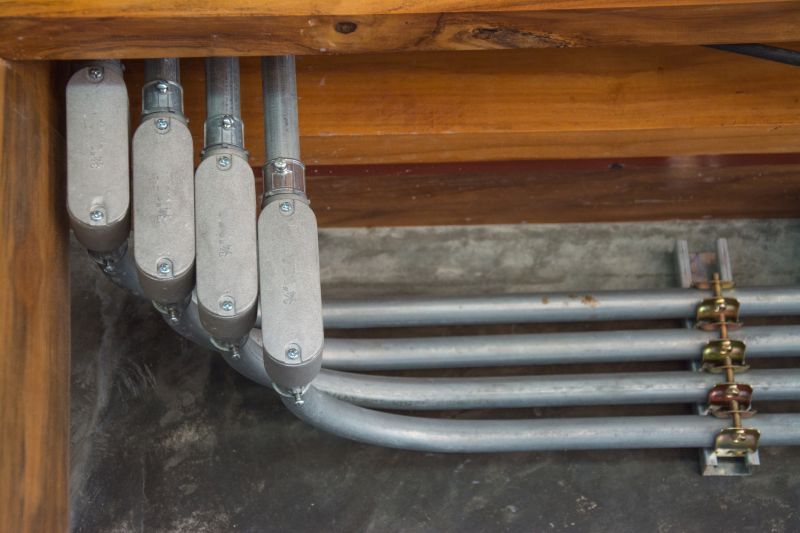
When comparing service providers for conduit installation, it’s important to consider their experience with similar projects. Homeowners should look for local contractors who have a proven track record of handling conduit work comparable to the scope of their project. An experienced professional is more likely to understand the specific requirements and challenges involved, which can contribute to a smoother installation process and a more reliable outcome. Asking for examples of past work or references related to conduit installation can help gauge a contractor’s familiarity and expertise in this specialized area.
Clear written expectations are essential for ensuring that both the homeowner and the contractor are aligned on the scope and details of the project. When evaluating local pros, it’s helpful to review their proposals or estimates to see if they clearly outline the work involved, materials to be used, and any other relevant considerations. Having a detailed written plan can minimize misunderstandings and provide a basis for accountability. Homeowners should feel comfortable asking service providers to clarify any aspects of their plan or to provide additional documentation that confirms what will be done.
Reputable references and good communication are key indicators of a dependable contractor. Local service providers with positive references from previous clients are more likely to deliver satisfactory results. It’s beneficial to ask for references related to conduit installation projects and to follow up with those references to learn about their experiences. Additionally, effective communication-prompt responses, willingness to answer questions, and clarity in explanations-can make the process more transparent and less stressful. While the site helps connect homeowners with local pros, it’s ultimately the homeowner’s responsibility to verify these qualities to find the best match for their conduit installation needs.
Property owners use Conduit Installation services for practical projects around their homes and businesses. This guide focuses on everyday jobs and straightforward project options.
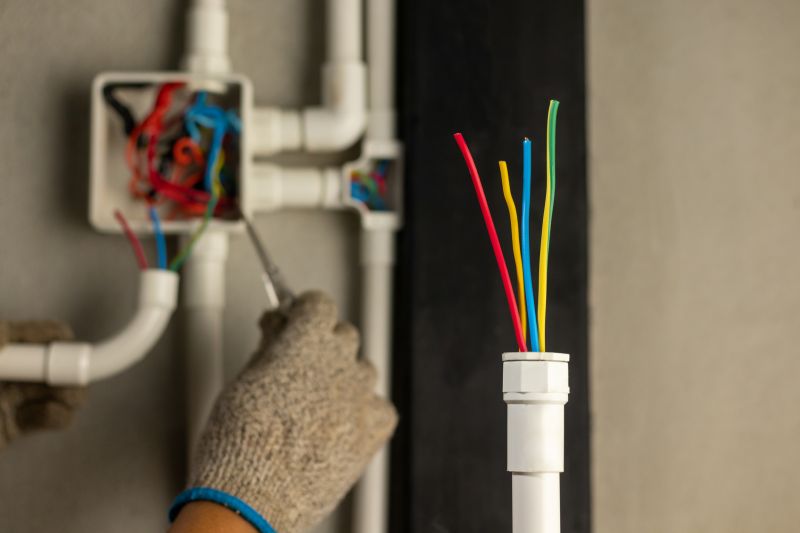
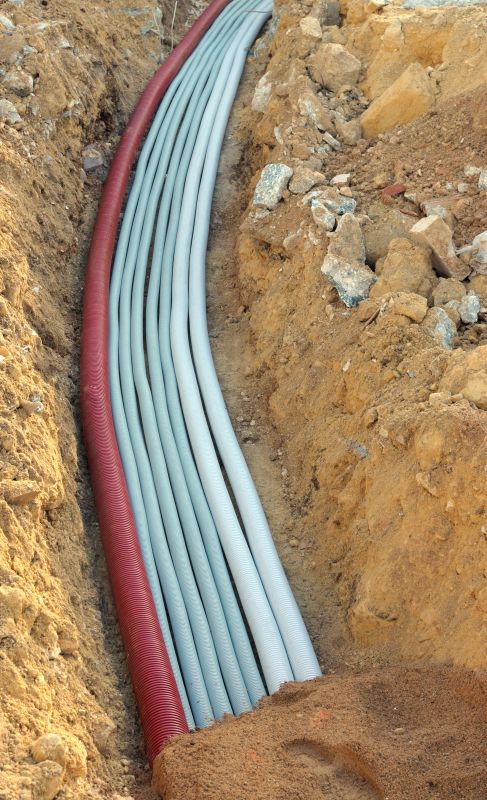
Conduit installation is a common project for property owners who need to update or expand their electrical systems. Whether installing new wiring for a home renovation, adding outlets in a basement, or upgrading existing conduit to meet safety standards, local contractors are equipped to handle these everyday tasks. Property owners often seek these services to ensure their electrical infrastructure is reliable and compliant with current codes, especially during remodeling or new construction projects.
Many property owners look for conduit installation services when experiencing issues like outdated wiring or planning to add new electrical features. Simple upgrades, such as replacing old conduit or extending existing systems, are frequent reasons why local service providers are contacted. These projects help maintain safety, improve functionality, and prepare properties for future electrical needs, making conduit installation a routine part of maintaining and enhancing a property's electrical setup.
What types of conduit installation services are available? Local contractors can install various types of conduit, including electrical, data, and communication conduits, tailored to specific project needs.
How do I find qualified conduit installation service providers? You can compare local service providers through the lead generation platform to identify those with relevant experience and expertise in conduit installation.
What should I consider when choosing a conduit installation contractor? It's important to review the contractor's credentials, experience with similar projects, and reputation within the local community to ensure quality work.
Are there different conduit materials suitable for installation? Yes, common conduit materials include PVC, metal, and flexible options, with the choice depending on the application and environmental conditions.
Can conduit installation be integrated with existing electrical or communication systems? Yes, local service providers can coordinate conduit installation to work seamlessly with existing systems for a cohesive setup.
Conduit System Installation - Property owners can ensure their electrical wiring is properly protected by having local contractors install conduit systems in new or existing structures.
Underground Conduit Setup - Homeowners planning outdoor lighting or future electrical upgrades can use conduit installation services to run wiring safely underground.
Flexible Conduit Solutions - For renovation projects, property owners might choose flexible conduit options to easily access wiring in tight or hard-to-reach spaces.
Electrical System Upgrades - Those updating their electrical systems can rely on local service providers to install conduit that supports increased power needs or modern appliances.
If you are thinking about Conduit Installation for a property, this guide is meant to help you understand the work, the typical project types, and how different options might fit your plans.
When you are ready, you can use the quote form on this page to share a few details about your project. From there, local pros can review the basics and respond with options that match what you have in mind.